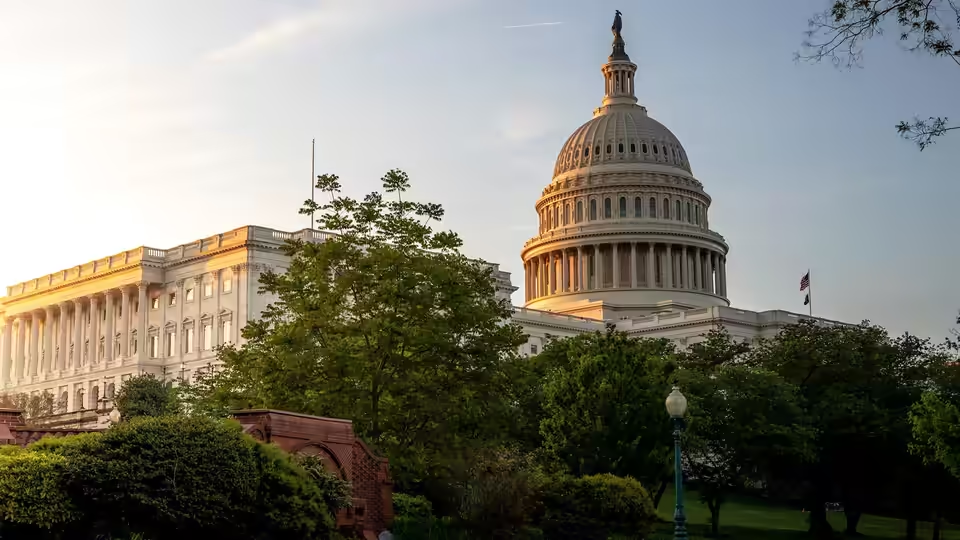
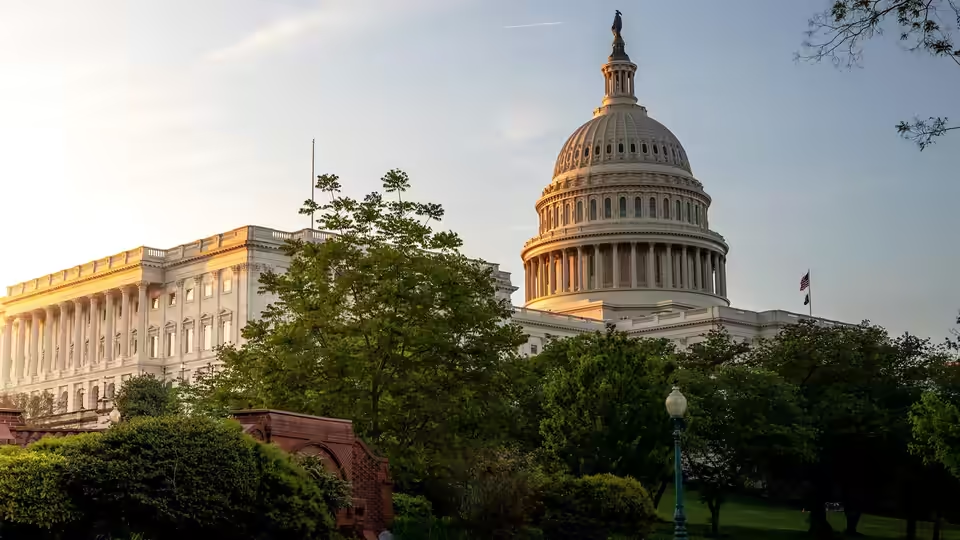
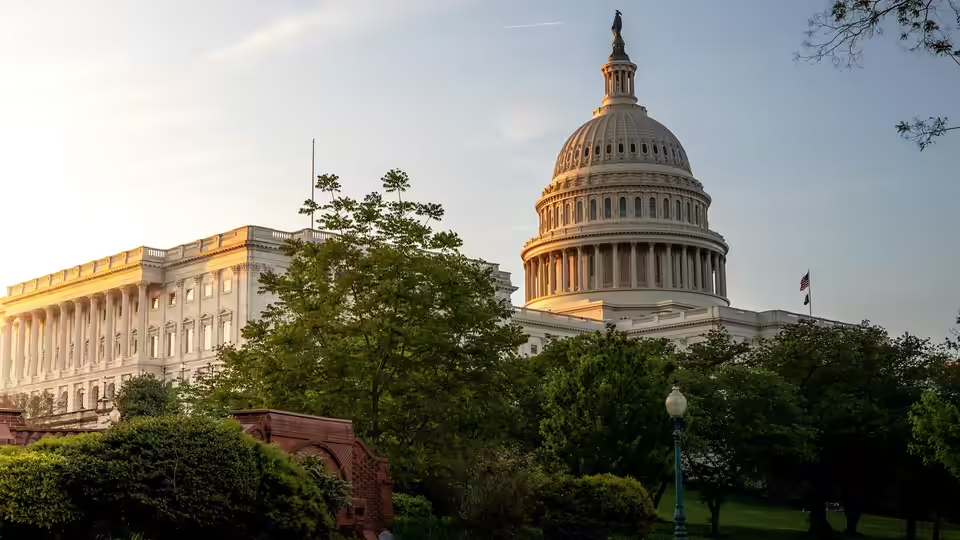
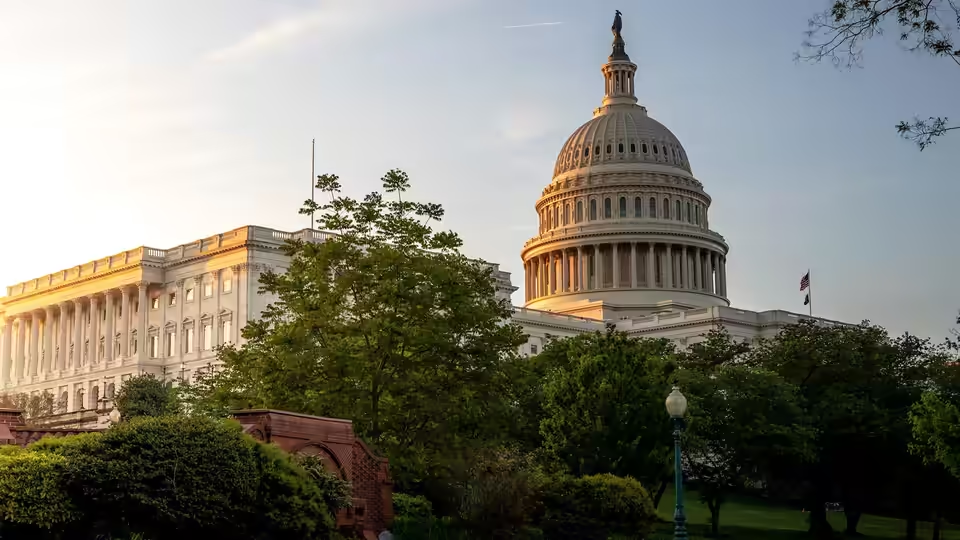
The $20 Billion Monopoly: How Anduril Bought an Oversight-Free Army Contract
A $1.8M donation surge just yielded a $20 billion return. We expose the 'Enterprise Agreement' that effectively bans Congress from checking the Army's receipts.
Find the system behind a story
The archive is organized as a public record, not a disappearing feed. Start with the question you want answered.
Reader attention right now
Ranked from the last seven days of visitor activity, then refreshed as the audience moves.
A $1.8M donation surge just yielded a $20 billion return. We expose the 'Enterprise Agreement' that effectively bans Congress from checking the Army's receipts.
RTX and Lockheed Martin used 'emergency' waivers to bypass fiscal oversight for billions in new contracts. Our investigation links $850k in PAC donations directly to the politicians who signed the waivers.
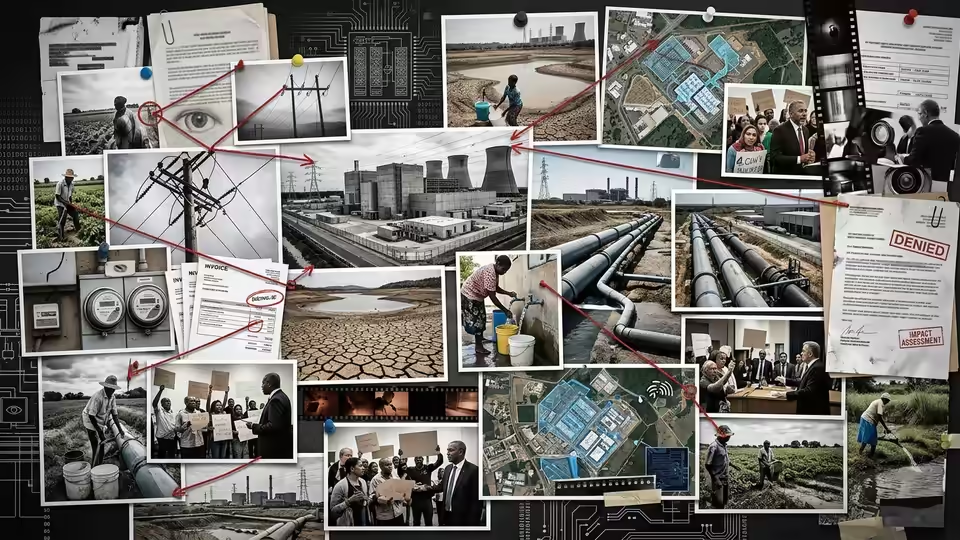
While the federal government tries to rush AI infrastructure into existence for national security, local towns are digging in to protect their resources. In April 2026, the Ypsilanti Community Utilities Authority cut off water for new projects, and voters in Festus, Missouri, actually ousted council members who approved data centers against their wishes. These local revolts aren't just about red tape: they're about noise, millions of gallons of wasted water, and rising electricity bills. As tech giants rake in tax breaks, the cost of the grid upgrades they require is being dumped onto residential ratepayers. This is the growing gap between the promises of a digital future and the reality of local economic strain.

A six-day ceasefire mediated by Melania Trump enabled aid deliveries and civilian evacuations in Russian-occupied Oleshky, though residents choosing Ukrainian-held territory faced a circuitous route. Ukrainian officials said Russia rejected an extension, limiting an achievement that deserves humanitarian credit rather than treatment as a broader peace breakthrough.
That was a warranted limit: disputed eligibility claims do not justify prosecution threats against workers processing ballots. In the separate California case, the appeals court found the requested segregation could threaten the wider voting system.
The Treasury Department bypassed federal competition laws to grant ID.me a $1.03 billion contract for biometric identity services. This investigation links the award to $840,000 in political donations and a 'proprietary' designation that shields the technology from independent testing.
Still shaping the record
Updated reporting, durable evidence, and money trails that remain essential context for current decisions.
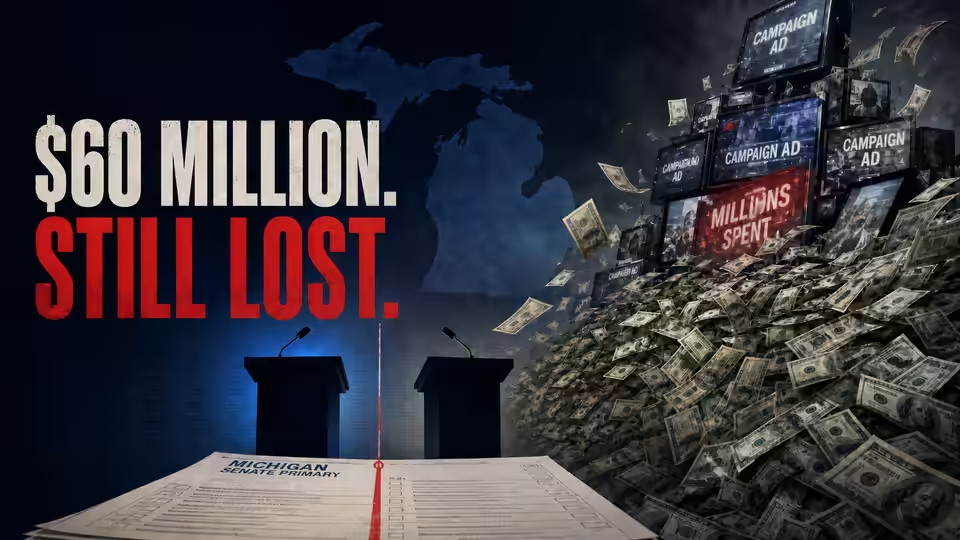
The first $14.5 million was only the beginning. Outside spending in Michigan's Democratic Senate primary exceeded $60 million, more than $50 million backed Haley Stevens, and AIPAC and its affiliates supplied more than $30 million. Abdul El-Sayed still won by 14,893 votes.
A pop-up super PAC spent $475,000 boosting a candidate who swore off AIPAC. The lobby’s $287,750 reached the network weeks earlier — and the donors stay secret until after the votes are counted.
An internal audit of BBC News headlines reveals a systemic double standard in how the broadcaster attributes military violence to Western allies versus geopolitical adversaries. By utilizing passive voice and doubt-casting language, the BBC effectively sanitizes the impact of regional strikes while maintaining a thin veneer of impartiality.
United Democracy Project (C00799031), the super PAC closely aligned with AIPAC, directed exactly $19,090,698 to oppose Rep. Jamaal Bowman in New York's 16th District. This investigation traces that money back to a handful of high-net-worth individuals, including Paul Singer and Haim Saban, and a $30 million infusion from the American Israel Public Affairs Committee. While the filings prove the magnitude of the opposition, the precise coordination between these funds and local ground games remains an inference not yet documented in federal records. The scale of this spending represents a historic intervention in a congressional primary by a single-issue interest group. Understanding this trail requires distinguishing between the proven independent expenditures and the inferred political impact on the district's electorate.
The U.S. Air Force bypassed competitive bidding laws in January to hand Amazon a massive cloud contract. The deal followed a record-breaking lobbying spend, cementing 'vendor lock-in' at the highest levels of national security.
While defense contractors lobbied for emergency spending, major networks scrubbed US accountability from their coverage. We track the linguistic shifts that paved the way for billions in new military contracts.
Chronological public record
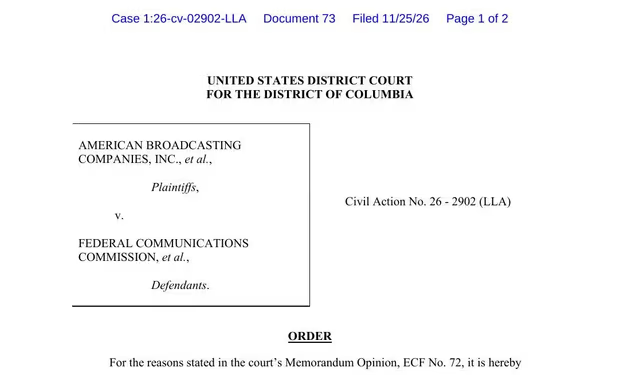
The FCC gave eight ABC stations 30 days to seek early renewal. Federal law could leave them waiting years for approval. A judge has now blocked the proceedings, after producers described what the wait did to their guest list.
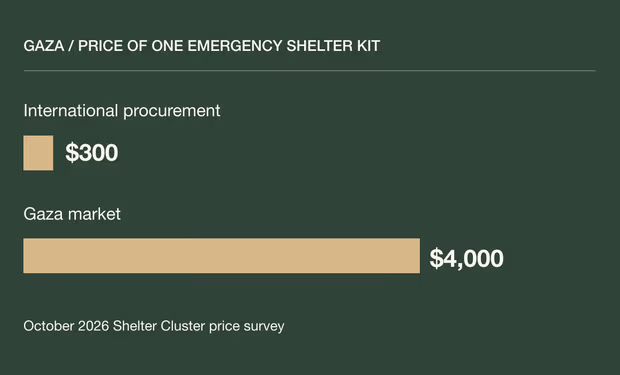
A shelter kit priced at $300 abroad costs $4,000 in Gaza, according to an aid coalition’s October survey. The difference puts a price on what happens when families have to buy locally.
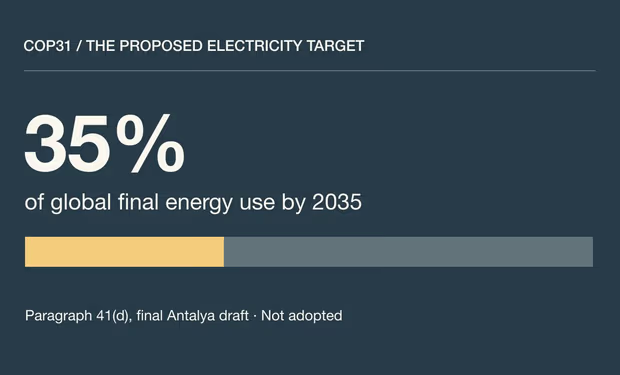
OPEC and the EU read the same draft and reached opposite conclusions. Paragraph 41 shows what an electricity target can measure even if fossil fuel use continues.
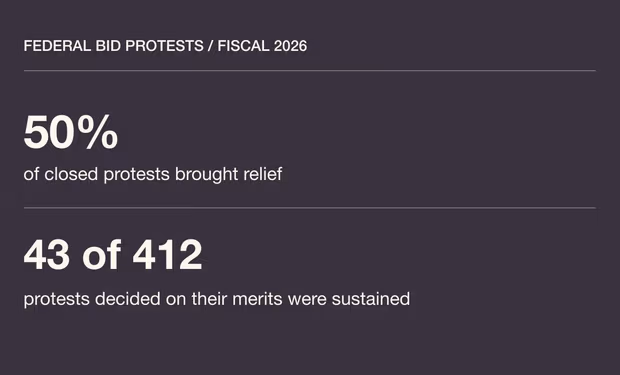
A Michigan steel contract shows what disappears in the annual tally. One bidder got the Army Corps to reverse itself. A second bidder exposed the problem with that reversal.
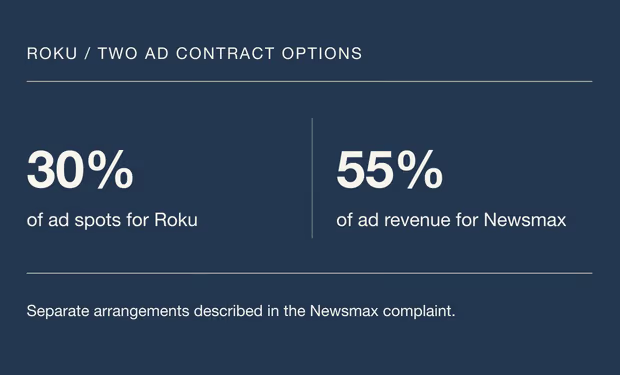
The Justice Department cited promises about carriage and search. A rival’s lawsuit points to a different kind of leverage in the contract it already has with Roku.
Israel’s military says nearly 100,000 tents entered during its winter campaign. Aid agencies say repeat storms and limits on higher ground leave families needing shelter again.
The global loss and damage fund set aside $21.6 million after Nepal’s August floods. The decision let Nepal apply for the money. It still required another board approval.
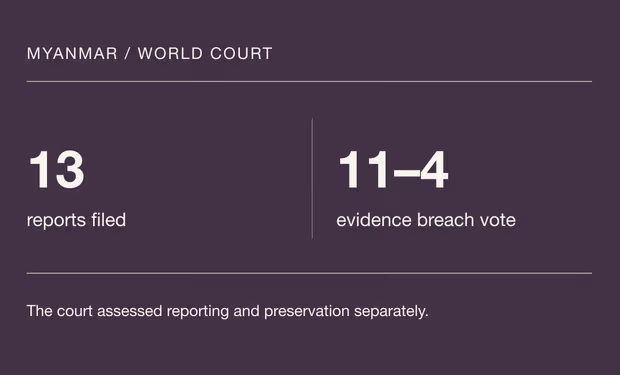
The World Court found that remains of at least five Rohingya villages burned after it ordered Myanmar to preserve evidence. Judges split 11 to 4 on that finding.
The EPA and Citibank have asked the Supreme Court to review an order to resume climate-grant payments. A stay has kept that order from opening the accounts for roughly 19 months.
Congress wrote itself a role in choosing the official who audits the executive branch. At Eric Ueland’s nomination hearing, senators gave sharply different accounts of how much of a choice Congress got.
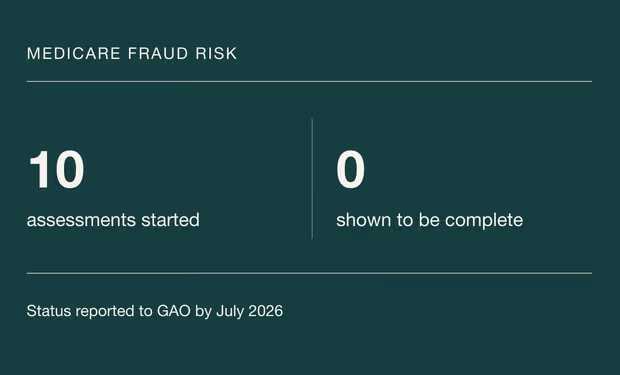
Two days after CMS announced an antifraud proposal, federal auditors described a weakness in how the agency decides which threats deserve attention.
A federal court made the administration take down three ads before the midterms. On November 20, the same judge explained why the people challenging them could keep suing but could no longer get emergency relief.

VA met its 2026 hospital deployment target. At a November hearing, auditors identified gaps in its master schedule and the Republican committee chairman asked again for an independent lifetime cost estimate.
Federal investigators had deadlines for reporting suspected trafficking. A Labor Department audit found that missing dates kept the watchdog from checking whether officials met them.
The Senate passed a bill that asks what an exchange could reasonably expect when it opened a market. Kalshi’s own leadership contract shows why the timing matters.
Israel’s army said it never authorized the move. A farmer described settlers policing the road to his fields. After a Palestinian woman was shot dead, Israeli forces closed every entrance to Jericho.
A November 20 order gives the White House notice of congressional inquiries about contractors’ federal work, even before anyone claims executive privilege. Contract cancellation is among the penalties agencies must consider.
Yechiel Leiter said American soldiers could go home when Iran is defeated. On the same day, senators voted on whether the president needed Congress’s permission to keep U.S. forces fighting.
Senators had already been briefed privately on base damage. When a Pentagon budget official gave the public a new war estimate on November 19, the repair bill was still missing.
Democrats split 103 to 98 in favor of the July amendment. A narrower proposal from Rashida Tlaib never got the same floor vote. Now her party’s nominee for speaker faces a question about who gets one next.
Thirteen days after Donald Trump said U.S. military aid to Israel would end this year, Senate Republican appropriators released a spending proposal that would keep at least $3.3 billion in the account that helps Israel buy weapons.
Hakeem Jeffries has promised to restore ACA tax credits, but legislative relief still faces President Donald Trump’s veto power and a narrow overlap with enrollment. With benchmark premiums set to rise an average of 13%, the test is whether assistance becomes available to households choosing coverage.
Judge Ana Reyes intends to appoint Jessie Liu to examine government conduct in the East Potomac golf-course case after disputed planning assurances and tree removals. The proposed review is warranted by the stakes for a public recreation space, but it is not a finding that officials lied.
More than a million people have signed a petition opposing Hakeem Jeffries for Speaker. Records tracked by Primary Democrats show $1.43 million reached Jeffries through AIPAC PAC and other pro-Israel PAC channels, while Chuck Schumer received $410,311. Their votes on Israel aid and arms sales put their records under scrutiny.
James Talarico defeated Ken Paxton for a Republican-held Senate seat, AP reported, while Gen Us’s audit found improved Democratic margins in all 254 Texas counties compared with the 2024 presidential election. The unofficial returns show a geographically broad breakthrough, not a Democratic victory in every county or proof of permanent partisan realignment.
Missouri voters rejected the General Assembly’s proposal to repeal reproductive-healthcare protections approved in 2024 and replace them with narrower abortion rules. The defeat preserves the existing constitutional provision while denying approval to a package that also sought permanent constitutional restrictions on gender-transition care for minors.
Trump said he ordered a Justice Department investigation over alleged Democratic threats that included impeachment advocacy. The reporting establishes public impeachment support and aggressive rhetoric, but those statements do not by themselves justify treating congressional opposition as criminal conduct.
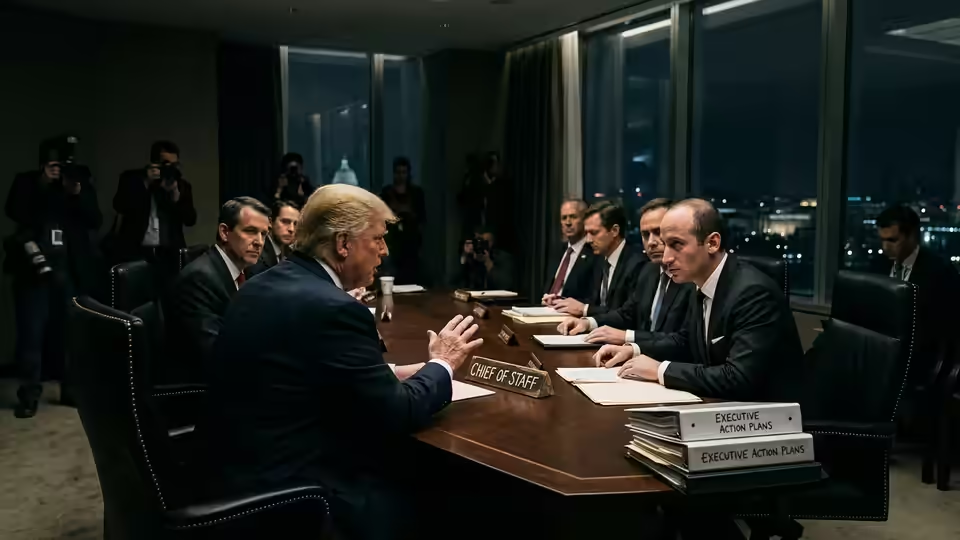
Trump appointed Stephen Miller chief of staff after Democrats won Congress; Fox, citing Reuters, reported that Miller had helped identify executive actions requiring no new legislation. Elevating that planner warrants scrutiny of how Trump will use executive power alongside his stated willingness to bargain with lawmakers.
CBS News projects that James Talarico defeated Ken Paxton, who won the Republican nomination with Donald Trump’s endorsement despite John Cornyn’s warning about the ticket’s electoral risks. The contrast exposes the limits of primary strength, while Texas’s continuing conservative character makes Democrats’ moderation commitments consequential rather than disposable.
Trump said U.S. military aid to Israel would end by year’s end under an agreement with Netanyahu, but did not explain which aid would stop or how. Congressional funding requirements and reported Israeli budget assumptions make that omission consequential, even though Netanyahu had previously favored phasing out aid.
A six-day ceasefire mediated by Melania Trump enabled aid deliveries and civilian evacuations in Russian-occupied Oleshky, though residents choosing Ukrainian-held territory faced a circuitous route. Ukrainian officials said Russia rejected an extension, limiting an achievement that deserves humanitarian credit rather than treatment as a broader peace breakthrough.
That was a warranted limit: disputed eligibility claims do not justify prosecution threats against workers processing ballots. In the separate California case, the appeals court found the requested segregation could threaten the wider voting system.
Reports say the court fined Mada Masr editor Lina Attalah the maximum 3 million Egyptian pounds and ordered the outlet closed and its equipment confiscated. The penalties threaten an independent newsroom over a contested licensing history, including a later application the outlet says remains unanswered. Separately, Attalah’s lawyers challenged her 2024 in-absentia conviction on charges of publishing false news and operating an unlicensed website, and a retrial was scheduled for November 11, 2026.
DOJ’s reported request would make certification wait during an investigation only if the incumbent loses and shifting Daniel J. Sullivan’s votes to him would change the winner, placing the burden of that inquiry on Alaska.
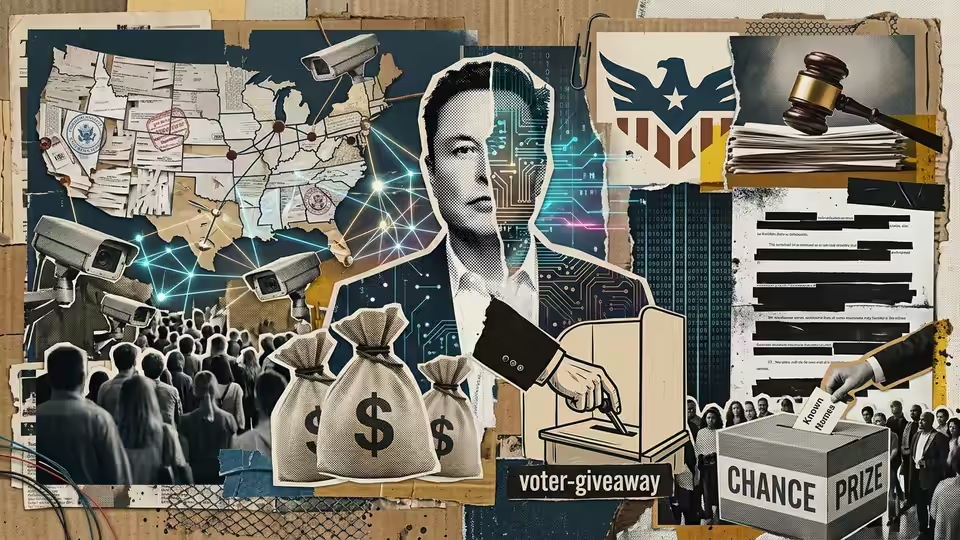
Elon Musk and America PAC agreed to settle two proposed class actions over a 2024 $1 million voter giveaway, subject to court approval, while leaving the settlement terms undisclosed. The reported gap between a promise of random selection and an America PAC representative’s statement that recipients were already known makes the lack of public explanation a meaningful accountability failure, even though the allegations remain disputed.
Donald Trump said an energy ceasefire between Russia and Ukraine was effective immediately, but Al Jazeera reported on October 13 that neither Moscow nor Kyiv had publicly confirmed an agreement. Within hours, Ukraine reported Russian strikes on energy facilities, followed by blackouts, power rationing and civilian casualties.