Tehran Funeral Codes Rank Regional Allies After US-Israeli Assassination of Khamenei
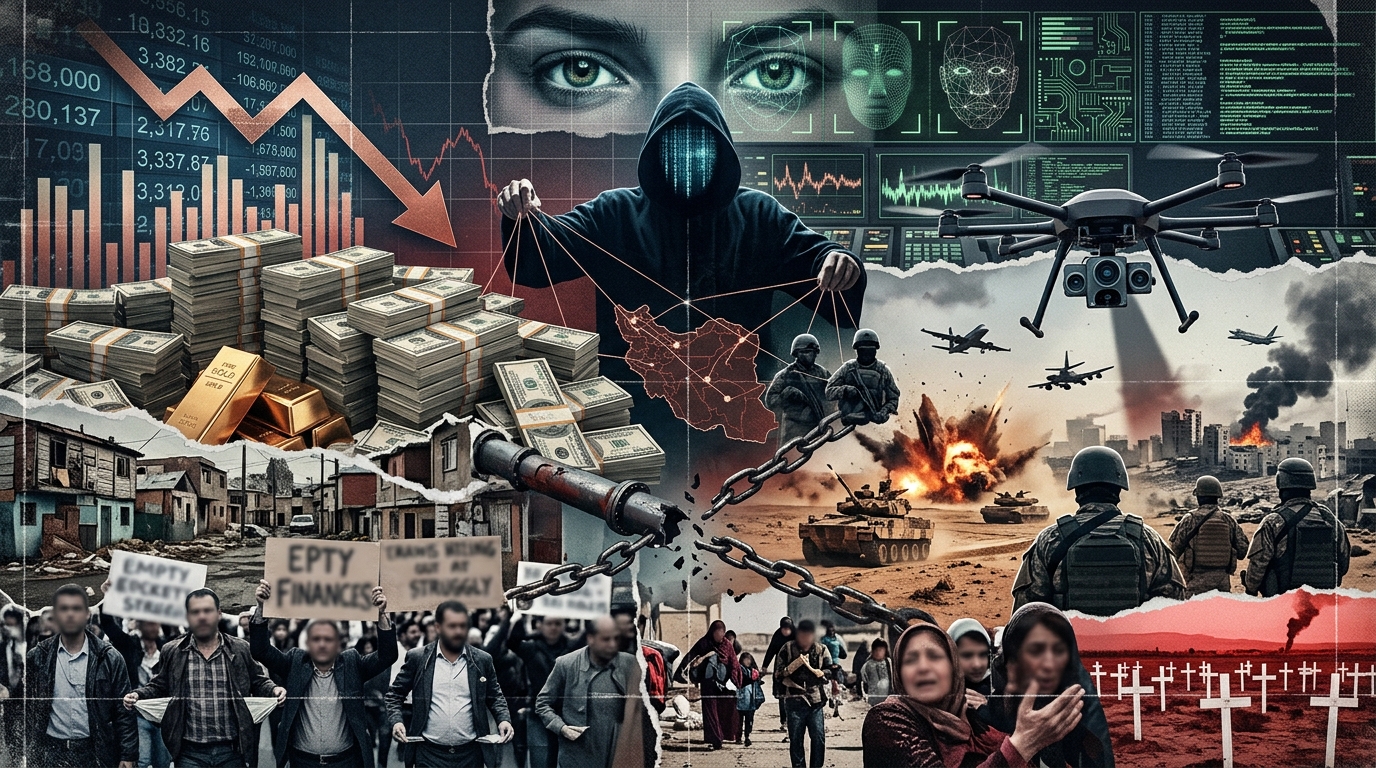
Tehran is using the seven-day state funeral for Supreme Leader Ali Khamenei to flex its regional influence and publicly rank its neighbors. Khamenei was killed along with his 14-month-old granddaughter on February 28, 2026, when a direct Israeli-US strike hit his residence in central Tehran. That moment changed everything, moving the region out of the shadows and into a hot war. While most outlets are focused on the poetic symbolism of the Quranic verses being read, they're missing the massive financial and military cost of a conflict that's left Iran claiming it now controls the Strait of Hormuz. The funeral is essentially a stage to pit 'Axis of Resistance' allies against Saudi Arabia, which Tehran is now openly branding a US collaborator. This report follows the money behind these alliances and looks at the people actually responsible for the violence.
Iran is turning the funeral of Ali Khamenei into a public ranking of its allies while using symbolic religious verses to taunt the US-Saudi alliance.
The state funeral for Ayatollah Ali Khamenei moved into its public phase in Tehran today, July 4, 2026. It's a carefully choreographed response to the February 28 assassination of the 86-year-old leader and three family members by Israeli and U.S. forces. That strike, which leveled a residential area in central Tehran, basically ended the era of 'shadow wars' and kicked off a direct military confrontation. Now, Iran has responded by seizing functional control of the Strait of Hormuz. It's a massive deal: 21 million barrels of oil flow through that chokepoint every day, which is about 20% of what the entire world consumes.
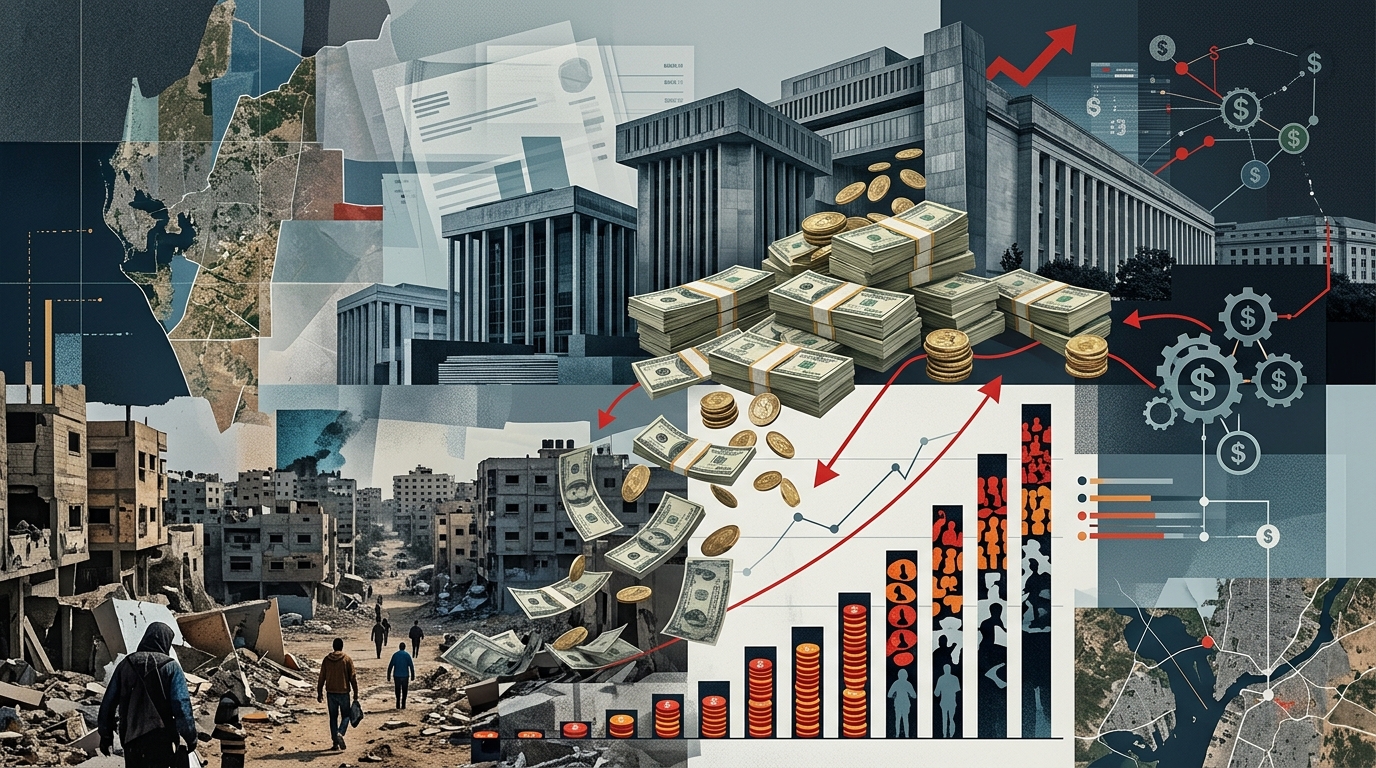
This 'funeral diplomacy' at the Grand Mosalla is being bankrolled by a state that's poured billions into its regional proxy networks. While the original reporting from Middle East Eye gets caught up in the religious symbolism, it misses the cold, hard reality. Iran’s 'Axis of Resistance' is a multi-billion dollar military investment. Investigative reports from 2025 show that despite some brutal sanctions, Tehran kept up a $700 million annual budget for Hezbollah alone. Meanwhile, the Houthis in Yemen have pulled in over $100 million in advanced missiles and drones. This spending didn't stop even as Iran's own economy struggled with 45% inflation.
When the Saudi delegation walked up to the coffin, the choice of Quranic recitation, Surah Al Imran 3:13, wasn't an accident. It's a reference to the Battle of Badr and it's a deliberate tauntLoaded Language. Iran is framing its survival against the US-Israeli coalition as a divine victoryLoaded Language. But the reality of the US-Saudi security pact is still there in the numbers. FARA records show the Saudi government spent over $25 million on D.C. lobbyists in 2025. That money was meant to keep the US munitions flowing, the same weapons used in the strikes that took out Iran's leadership.
“The February 28 strike killed the 86-year-old leader and his 14-month-old granddaughter, ending the era of 'shadow wars' and moving the US and Iran into direct conflict.”
The concept of 'Funeral Diplomacy' is basically using a high-profile mourning period to signal shifts in foreign policy and rank alliances without ever sitting down for a formal meeting. Then you have the 'Axis of Resistance.' That's the informal military alliance led by Tehran that includes the Syrian government, Hezbollah, Hamas, the Houthis, and several Iraqi militias. These groups were greeted with verses about 'martyrdom' from Surah Al-Ahzab (33:23). In the eyes of the state, it's a way of canonizing their military operations as sacred duties.
We still don't have verification on the extent of the 'covert attacks' by Saudi Arabia that some regional reports are mentioning. There's no documented evidence that Saudi jets were involved in the February 28 strike. But here's the thing: there are 30,000 U.S. troops stationed across the Arabian Peninsula, and they provide the logistical backbone for the operations Iran is now signaling against. This ranking of allies isn't just for show. It’s a declaration of who Iran plans to protect and who they might target in the next phase of this war.
The seven days of mourning will end on July 9 in Mashhad, but the real impact of this diplomacy will show up in the insurance premiums for tankers in the Persian Gulf. As Iran signals its 'victoryLoaded Language' over a much larger coalition, the chance of someone making a mistake in the Strait of Hormuz goes up. For regular people, it means that even with all the talk about 'ceasefires,' the regional economy is still stuck in a conflict where both sides are now carrying out assassinations in each other's capitals.
Summary
Tehran is using the seven-day state funeral for Supreme Leader Ali Khamenei to flex its regional influence and publicly rank its neighbors. Khamenei was killed along with his 14-month-old granddaughter on February 28, 2026, when a direct Israeli-US strike hit his residence in central Tehran. That moment changed everything, moving the region out of the shadows and into a hot war. While most outlets are focused on the poetic symbolism of the Quranic verses being read, they're missing the massive financial and military cost of a conflict that's left Iran claiming it now controls the Strait of Hormuz. The funeral is essentially a stage to pit 'Axis of Resistance' allies against Saudi Arabia, which Tehran is now openly branding a US collaborator. This report follows the money behind these alliances and looks at the people actually responsible for the violence.
⚡ Key Facts
- Surah Al Imran 3:13 was recited when the Saudi delegation paid respects to the late Supreme Leader.
- Ayatollah Ali Khamenei was assassinated on February 28, 2026, in Israeli-US strikes.
- The Hamas delegation was greeted with a verse from Surah Al-Ahzab (33:23) regarding people who 'proven true to what they pledged'.
- More than 30 foreign delegations attended the event at the Grand Mosalla in Tehran.
- The Houthis were greeted with Surah Al-Fath verse 29, emphasizing firmness against disbelievers.
Tehran Funeral Codes Rank Regional Allies After US-Israeli Assassination of Khamenei
Network of Influence
- The Iranian government (portrayal as resilient and divinely favored)
- Hamas, Hezbollah, and Houthis (legitimized as 'true believers' and 'martyrs')
- Qatari interests (Middle East Eye is frequently aligned with Qatari foreign policy, which often balances relations with Iran and explores alternatives to Saudi dominance)
- The lack of evidence for the 'covert' Saudi attacks on Iran mentioned in 'some reports'.
- The ongoing domestic instability or succession crisis within Iran following the assassination.
- International condemnation of the groups listed (Hamas, Hezbollah, Houthis) which are designated terrorist organizations by the US and EU.
- The specific nature of the 'war' referred to, which implies a large-scale conflict that is not fully detailed.
The article frames the Iranian state funeral as a calculated geopolitical display of strength and religious superiority, positioning Iran as a victorious martyr-state while casting Saudi Arabia as a sidelined US collaborator.
Verified Receipts
Get the next investigation in your inbox
One email a week. Receipts only. Free.
Free. Unsubscribe anytime. We never share your email.