Polls Show 60% of Voters Reject $60 Billion Iran War Failure
After the Islamabad Memorandum of Understanding (MoU) was signed on June 23, 2026, it's clear the American public has turned on the war effort. New data from Quinnipiac University shows that 60 percent of voters think the military action against Iran wasn't worth it. That feeling is only getting worse because the U.S. and Israel failed to actually stop Iran's nuclear or missile programs. While the Trump administration talked about 'regime change' back in February, killing Ayatollah Ali Khamenei didn't break the state: his son Mojtaba just took over. Beyond the military stalemate, the war has been a gut punch to the American wallet. Household fuel costs are up nearly $450 because the Strait of Hormuz is closed. And here's the kicker: 52% of likely voters think the whole conflict was just a way to distract people from domestic political scandals.
A majority of U.S. voters are done with the $60 billion war on Iran. It spiked gas prices, cost billions, and failed to actually change the regime like the government promised.
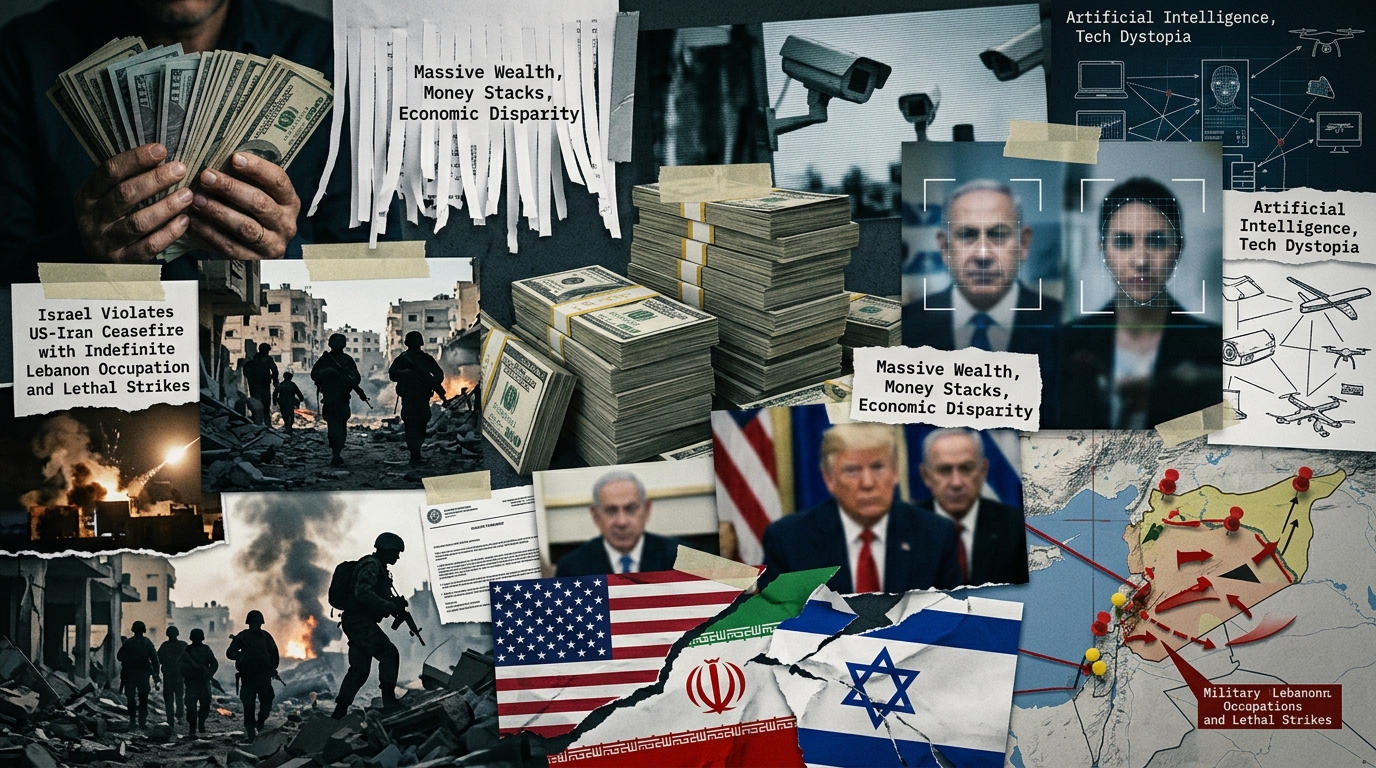
The U.S. and Israel went all-in on a full-scale invasion of Iran on February 28, 2026. The goal was to wipe out 'imminent threats' and end the Iranian nuclear program once and for all. Three months and $60 billion later, the Islamabad MoU looks more like a retreat than a victory. Even though the U.S. military killed the Supreme Leader and his top generals, the regime didn't collapse. Instead, power passed to Mojtaba Khamenei. He's still running the military despite getting wounded in the first strikes. Now, the U.S. has been forced to admit Iran has a right to a ballistic missile program. That's a capability this invasion was supposed to destroy.
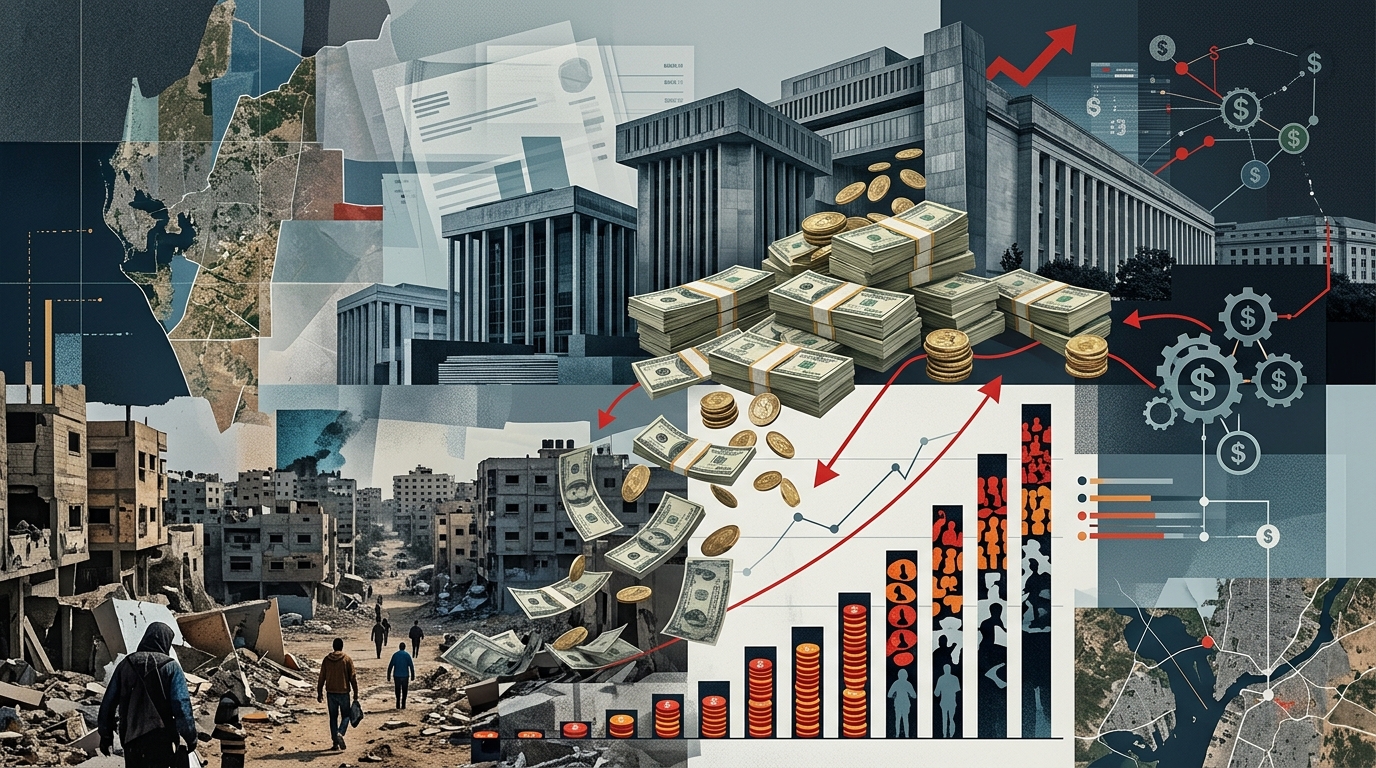
The economic damage has hit the American dinner table hard. Data from Middle East Eye shows that when Iran closed the Strait of Hormuz, it basically strangled global energy. That forced the average U.S. household to spend an extra $447.19 on fuel between March and June. It's a huge reason why 66 percent of independent voters told Quinnipiac the war wasn't worth the cost. Defense contractors are seeing record profits from the $60 billion in spending, but the voters don't feel like they're winning. About 45 percent of people think the U.S. is actually weaker now than it was back in February.
There's a big part of the story the mainstream reports are missing: the real reason this started. A Data for Progress poll of 1,272 likely voters found that 52 percent of the public thinks President Trump launched the war to move the spotlight away from the Epstein legal scandal. For a majority of Americans, this wasn't about national security. It looked like a political survival move paid for by taxpayers and the lives of soldiers. So far, neither the Trump administration nor the Israeli government has shown any real evidence of the 'imminent' nuclear threat they used to justify the February 28 strikes.
“The Iranian closure of the Strait of Hormuz forced the average household to spend an additional $447.19 on fuel expenses in just 90 days.”
Regime Change is when one government is forced out and replaced by another, usually through military power. Historically, it just leads to years of chaos. The Islamabad Memorandum of Understanding (MoU) is the 60-day pause in fighting signed this June. It's meant to stop the U.S.-Israeli war on Iran long enough to talk about peace. The Strait of Hormuz is the narrow waterway where about 20 percent of the world's oil flows. If it's closed, the world's energy supply breaks.
The poll results show a massive gap in how people see the world. About 93 percent of Democrats say the war was a mistake, but 75 percent of Republicans still think it was worth it. That's despite the fact that the main military goals weren't met. There's an odd confidence among Republicans in the new MoU deal, even though 61 percent of the general public thinks it's likely Iran will still develop nuclear weapons. It seems like political loyalty, rather than the actual 'total destructionLoaded Language' promised in February, is what's driving support for the troops staying over there.
The Islamabad MoU gives us a 60-day window where there's less shooting, but it's not a real ceasefire. U.S. and Israeli forces are still running a blockade, and Iranian proxies are still picking fights across the region. We still don't have a full accounting of where that $60 billion in emergency money went. Plus, there hasn't been a single congressional inquiry into why the intelligence was so wrong about the regime's stability. For most Americans, the 'not worth it' feeling comes down to the math: they paid $447.19 to replace one Khamenei with another.
Watch for the budget hearings in July. Defense lobbyists are already getting ready to push for a permanent 'security' presence in the Gulf to keep the money flowing. Meanwhile, regular voters are still staring at the price on the gas pump. Unless the Strait of Hormuz opens back up and fuel prices stabilize, that 60 percent disapproval number is only going to climb. The war proved that you can buy an assassination for $60 billion, but you can't buy regional stability or public approval when the middle class is the one picking up the bill.
Summary
After the Islamabad Memorandum of Understanding (MoU) was signed on June 23, 2026, it's clear the American public has turned on the war effort. New data from Quinnipiac University shows that 60 percent of voters think the military action against Iran wasn't worth it. That feeling is only getting worse because the U.S. and Israel failed to actually stop Iran's nuclear or missile programs. While the Trump administration talked about 'regime change' back in February, killing Ayatollah Ali Khamenei didn't break the state: his son Mojtaba just took over. Beyond the military stalemate, the war has been a gut punch to the American wallet. Household fuel costs are up nearly $450 because the Strait of Hormuz is closed. And here's the kicker: 52% of likely voters think the whole conflict was just a way to distract people from domestic political scandals.
⚡ Key Facts
- 60 percent of American voters think US military action against Iran was 'not worth it' according to a Quinnipiac University poll.
- The US and Iran signed the Islamabad Memorandum of Understanding (MoU) to end hostilities for 60 days.
- 48 percent of US voters think the US is too supportive of Israel.
Polls Show 60% of Voters Reject $60 Billion Iran War Failure
Network of Influence
- The Iranian government (specifically the new Supreme Leader Mojtaba Khamenei) via the narrative of victory.
- Anti-war political groups in the United States.
- Political opponents of the Trump and Netanyahu administrations.
- Qatari-aligned media interests seeking to highlight US-Israeli military failures.
- The specific Iranian military actions or provocations that led to the February 28th strikes are omitted.
- The article does not mention the internal Iranian political instability following the leadership transition.
- Official US government justifications for the Islamabad MoU are not presented, only the 'weakening perceptions' narrative.
The article frames the US-Israeli military intervention in Iran as an absolute strategic and economic failure, using polling data to suggest a consensus of domestic and international defeat.
Verified Receipts
Get the next investigation in your inbox
One email a week. Receipts only. Free.
Free. Unsubscribe anytime. We never share your email.