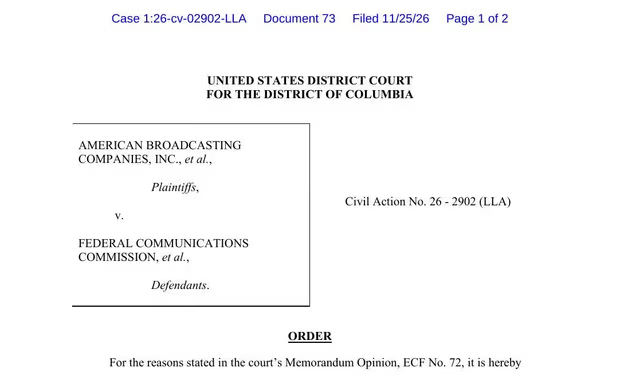
First page of the Knesset’s English translation of Israel’s 2018 Nation-State Basic Law. Section 1(c) reserves national self-determination in the state for the Jewish people. Translation by Sheila Hattis Rolef.
Israel accused Hamas of using human shields. When Israeli soldiers spoke, the defense minister called the censor.
Israel Katz asked the military censor to stop Kan’s investigation. Gen Us asks why legal exposure for soldiers merited a minister’s intervention when Palestinians were already describing what happened to them.
Israel’s public broadcaster aired soldiers’ testimony about using Palestinians as human shields. Gen Us argues that the government demanding accountability from Hamas owes Palestinians the names and decisions behind its own troops’ conduct.
Before Israel’s public broadcaster aired testimony from soldiers who said they had used Palestinians as human shields, Defense Minister Israel Katz asked the military censor to stop the broadcast. He cited the risk of exposing operational methods, damage to soldiers’ reputations and the possibility of legal proceedings abroad. Consider whose risk the minister wanted the state to reduce. A Palestinian sent into a building ahead of armed troops risked being killed. A soldier describing that order on television risked being asked to answer for it.
Ayman Abu Hamadan had already given the public his name. He told the Associated Press that Israeli troops put him in army fatigues, fixed a camera to his forehead and sent him into houses in Gaza for 17 days. He said they threatened to kill him if he refused. A reserve major later told Kan that his unit preferred Palestinians who had cleared security screening. He said the soldiers wanted someone they felt safe sharing a building with. Men who would ordinarily have been allowed to leave the combat zone were instead sent ahead of troops.
The army says its orders forbid coercing civilians into operations. When AP asked about orders from commanders in May 2025, the military gave no details. On November 24, The Times of Israel, citing Haaretz, reported criminal investigations into at least 16 suspected cases, ten in Gaza and six in the West Bank. After the broadcast, military spokesman Effie Defrin said the army would learn from the testimony at the organizational level and individually if necessary. He reiterated the accusation that Hamas exploits civilians. Abu Hamadan’s account still deserves a public answer about the units he says passed him from one to another.
Gen Us rejects “the only democracy in the Middle East” as a description of how Israel governs Palestinians. Palestinian citizens of Israel can vote for the Knesset. In the occupied West Bank, an Israeli settler can vote for the government that sends soldiers down the road. A Palestinian neighbor living under military occupation without Israeli citizenship has no vote in choosing it. Israel’s 2018 Basic Law reserves national self-determination in the state exclusively for the Jewish people. The Israeli human rights organization B’Tselem examined how that hierarchy operates through land, residency, movement and political power and called it apartheid. We agree. That is what we mean by ethnic supremacy: the state gives one people enduring power over another, down to who gets a ballot and who must pass a checkpoint.
We also agree with the UN independent commission of inquiry’s September 2025 conclusion that Israel committed genocide against Palestinians in Gaza. That is the commission’s finding and this publication’s editorial judgment. Israel rejected the finding, disputing the commission’s sources and its authority to reach that conclusion. The human-shield testimony stands on its own evidence, including accounts from Palestinians who were forced to go first and Israeli soldiers who described sending them.
The military censor had already required cuts on November 22. Two days later Katz asked him to stop the entire broadcast. The High Court rejected a separate petition to block the program, and Kan aired it on November 25. The journalists who pursued it and the soldiers who spoke deserve credit for putting evidence before the public. Katz owes that public something equally concrete. His military has explained for years why Hamas must answer for using civilians as shields. Who gave the order that sent Abu Hamadan through those doors? Who knew he was being passed from unit to unit? What has the military done about either decision? Those are questions a defense minister claiming democratic legitimacy should answer on air.
Summary
Israel Katz asked the military censor to stop Kan’s investigation. Gen Us asks why legal exposure for soldiers merited a minister’s intervention when Palestinians were already describing what happened to them.
Key facts
Katz asked the chief military censor to prevent the Kan broadcast, citing operational secrecy, reputational harm and the possibility of international legal proceedings.
Ayman Abu Hamadan told the Associated Press that Israeli soldiers forced him to search houses for 17 days and passed him from one unit to another.
A UN commission of inquiry concluded in September 2025 that Israel committed genocide against Palestinians in Gaza. Israel rejected the finding. Gen Us agrees with the commission.
Follow the public record
Source Trail
Primary records and direct statements
Independent reporting and analysis
Get the next investigation in your inbox
One email a week. Receipts only. Free.
Free. Unsubscribe anytime. We never share your email.