U.S. Latin American Military Strikes Kill 200 as Strategic Pardons Reveal Selective Enforcement
Since the January 3 capture of Nicolás Maduro, the White House has ramped up military action across Latin America. Over 200 people are dead. Officials call it a war on "narco-terrorism," but the April 2026 pardon of former Honduran President Juan Orlando Hernández makes that claim hard to swallow. Hernández was serving 45 years for drug trafficking, yet he is out. It looks like the administration's real goal, outlined in a May strategy memo by Sebastian Gorka, is toppling leftist regimes and grabbing resources. This report follows the money and the politics behind a drug war that feels more like an ideological purge.
The U.S. has killed over 200 people this year in a military push against "narco-terrorism." Critics say the White House is just targeting leftist enemies while giving a pass to right-wing allies like Juan Orlando Hernández.
On June 12, 2026, a U.S. strike killed Héctor Rusthenford Guerrero Flores, the Tren de Aragua gang leader, right in Venezuela. It's part of a bloody new trend. Ever since U.S. Special Forces grabbed Nicolás Maduro on January 3, Southern Command has killed over 200 people in various strikes and intercepts. They call it Operation Absolute Resolve. It's the most aggressive the U.S. military has been in this part of the world since the Cold War. But here's the thing: legal experts are worried the "narco-terrorism" label is just a tool for political hit jobs.
Technically, "narco-terrorism" is when drug money funds political violence against a government. By using that label, the White House doesn't need to ask Congress for a war declaration. They just use the Foreign Terrorist Organization (FTO) tag to freeze cash and start shooting. But the rules don't seem to apply to everyone. Take the 2026 pardon of Juan Orlando Hernández. A U.S. court once said he turned Honduras into a "narco-state." Now he's free. It seems "narco-terrorism" is only a crime if you're on the wrong side of Washington's politics.
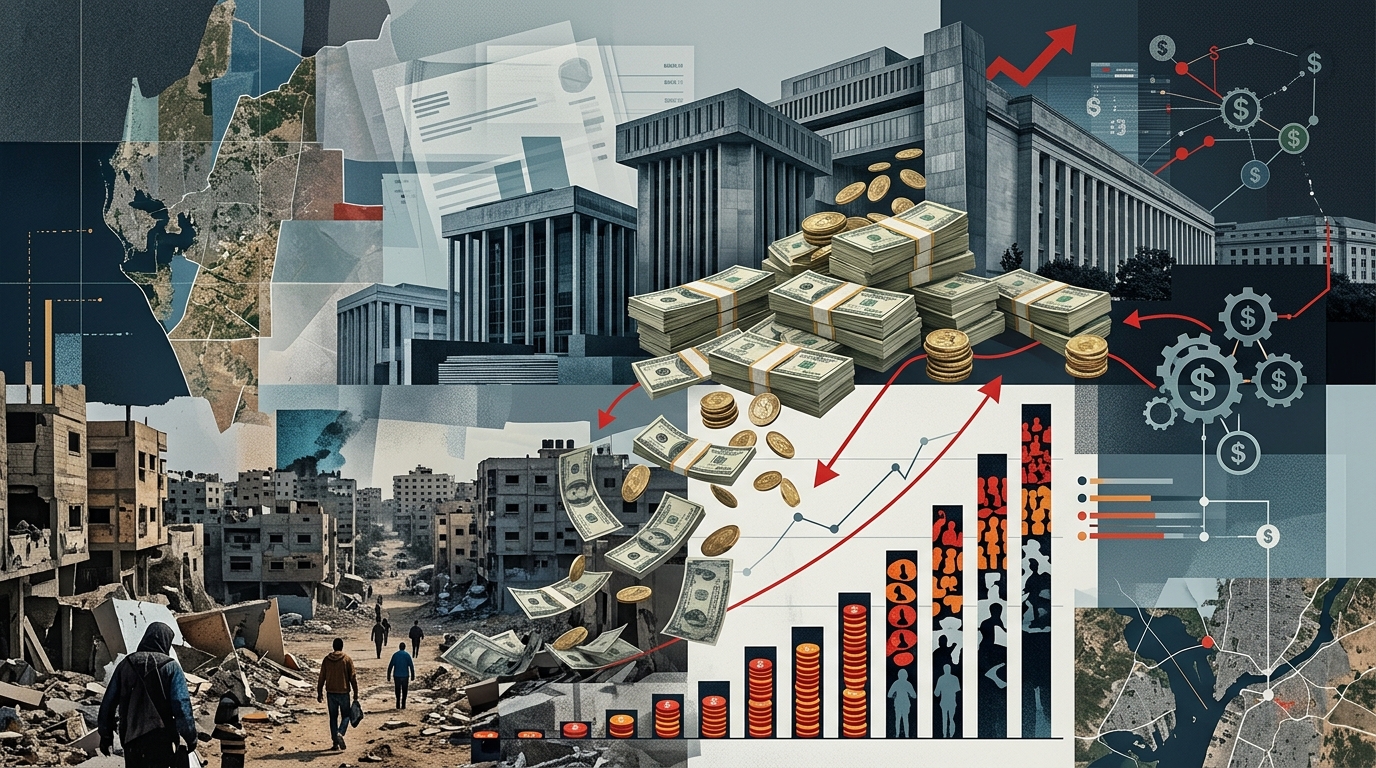
The money tells the story. Southern Command's budget is exploding. Federal filings show funding for "counter-narcotics surveillance" jumped 22% in the first few months of 2026. A lot of that cash is going into a $50 billion Pentagon drone project. They're basically using the Caribbean as a test lab for autonomous AI tracking. According to ProPublica, Sebastian Gorka’s new plan specifically pulls resources away from right-wing paramilitaries to hunt "leftist-terrorist" networks. It's a gold mine for defense contractors getting no-bid deals for "stabilization" work.
“The death toll from the continuing war on these alleged narco-terrorists has risen to over 200 people as of June 2026.”
This isn't just about drugs. It's about who controls the map. Getting rid of Maduro opens the door to kick out Russian and Chinese influence from South America's "Lithium Triangle" and the Orinoco Oil Belt. By calling Venezuela a "narco-terrorist" state, the U.S. basically cleared a path for American energy companies to move in. They're calling it "security-based" mining. The administration says this is about border safety, but it's really about locking down the supply chain for minerals used in high-tech weapons.
There's also the human cost nobody is talking about. On June 3, Southern Command hit a boat in the Eastern Pacific and people died. But independent observers aren't allowed to see the cargo or identify the bodies. The White House won't even show the evidence used to indict Maduro back in January. Human rights groups are sounding the alarm: they're worried the "narco-terrorism" tag is just a convenient excuse to take down any government that doesn't play ball with U.S. economic interests.
This should worry Americans, no matter who they vote for. If the executive branch can just rebrand any criminal group as "terrorists," they can start wars without any oversight. The whole hemisphere becomes a permanent combat zone. We'll see how the math holds up in July. That's when the Senate Appropriations hearings start, and "Absolute Resolve" will finally face an audit.
Summary
Since the January 3 capture of Nicolás Maduro, the White House has ramped up military action across Latin America. Over 200 people are dead. Officials call it a war on "narco-terrorism," but the April 2026 pardon of former Honduran President Juan Orlando Hernández makes that claim hard to swallow. Hernández was serving 45 years for drug trafficking, yet he is out. It looks like the administration's real goal, outlined in a May strategy memo by Sebastian Gorka, is toppling leftist regimes and grabbing resources. This report follows the money and the politics behind a drug war that feels more like an ideological purge.
⚡ Key Facts
- U.S. special forces captured Venezuelan President Nicolás Maduro on Jan. 3, 2026, as part of Operation Absolute Resolve.
- The death toll from the continuing war on narco-terrorists in Latin America has exceeded 200 people.
- The Trump administration pardoned former Honduran President Juan Orlando Hernández after his drug trafficking conviction.
- The term 'narco-terrorism' was coined in 1982 by Peruvian President Fernando Belaúnde Terry.
- The U.S. has expanded security ties with right-wing allies in Ecuador and El Salvador while pressuring left-wing governments.
U.S. Latin American Military Strikes Kill 200 as Strategic Pardons Reveal Selective Enforcement
Network of Influence
- The Nicolás Maduro administration
- Left-wing political movements in Latin America
- Critics of US military interventionism
- Political opponents of the Trump administration
- The specific legal evidence cited in the 2026 indictment of Nicolás Maduro.
- The scale of the Venezuelan humanitarian crisis and its impact on regional stability.
- The geopolitical influence of Russia and China in Venezuela which often prompts US 'anti-leftist' stances for security reasons.
- The details of why the US armed forces and DEA clashed over the Peruvian strategy in the 1990s.
The article frames US anti-drug operations in Latin America not as legitimate law enforcement or security measures, but as a cynical political tool used by right-wing administrations to suppress leftist movements.
Verified Receipts
Get the next investigation in your inbox
One email a week. Receipts only. Free.
Free. Unsubscribe anytime. We never share your email.