SCOTUS Reaffirms Birthright Citizenship, Voids Trump Order in 6-3 Ruling
The Supreme Court just shut down President Trump's attempt to end birthright citizenship, but the win for advocates is thinner than it looks. In a 6-3 ruling for Trump v. Barbara (No. 25-365) on June 30, 2026, the Court voided a January 2025 executive order that tried to deny citizenship to kids born to undocumented parents. It's a massive relief for thousands of families. Still, the constitutional side of the vote was a razor-thin 5-4. Justice Kavanaugh only joined the majority on a technicality, meaning the door isn't closed for a future law to undo it all. Plus, filings show a staggering $184 million was raised off this case, with millions funneling straight back to political consultants.
The Supreme Court blocked Trump's order to end birthright citizenship, but a narrow 5-4 constitutional split means Congress could still try to change the rules through new laws in the future.
The long legal fight over who gets to be an American is finally over, at least for now. On June 30, the Supreme Court handed down its decision in Trump v. Barbara, effectively killing a 17-month battle over the 14th Amendment. By a 6-3 vote, the justices threw out President Trump's first-day executive order. That order had instructed agencies to withhold passports and Social Security numbers from children born on U.S. soil if their parents weren't legal residents. Writing for the majority, Chief Justice John Roberts made it clear: the president can't just rewrite the Constitution on his own. It's a major win for the precedent set way back in 1898 with United States v. Wong Kim Ark, a case that remains the bedrock of American citizenship.
Don't let the 6-3 score fool you, though. The legal logic here is actually quite fragile. Five justices, Roberts, Barrett, and the three liberals, agreed that birthright citizenship is a hard constitutional requirement. But Justice Brett Kavanaugh took a different path. He was the sixth vote against Trump, but he did it on much narrower grounds. He argued the executive order just didn't follow current federal law, which is something Congress could change if it wanted to. That creates a 5-4 constitutional split. It means if Republicans take back D.C. in the 2026 midterms, they might be able to pass a law ending birthright citizenship that Kavanaugh would actually support. This effectively bypasses yesterday's win for immigration advocates.
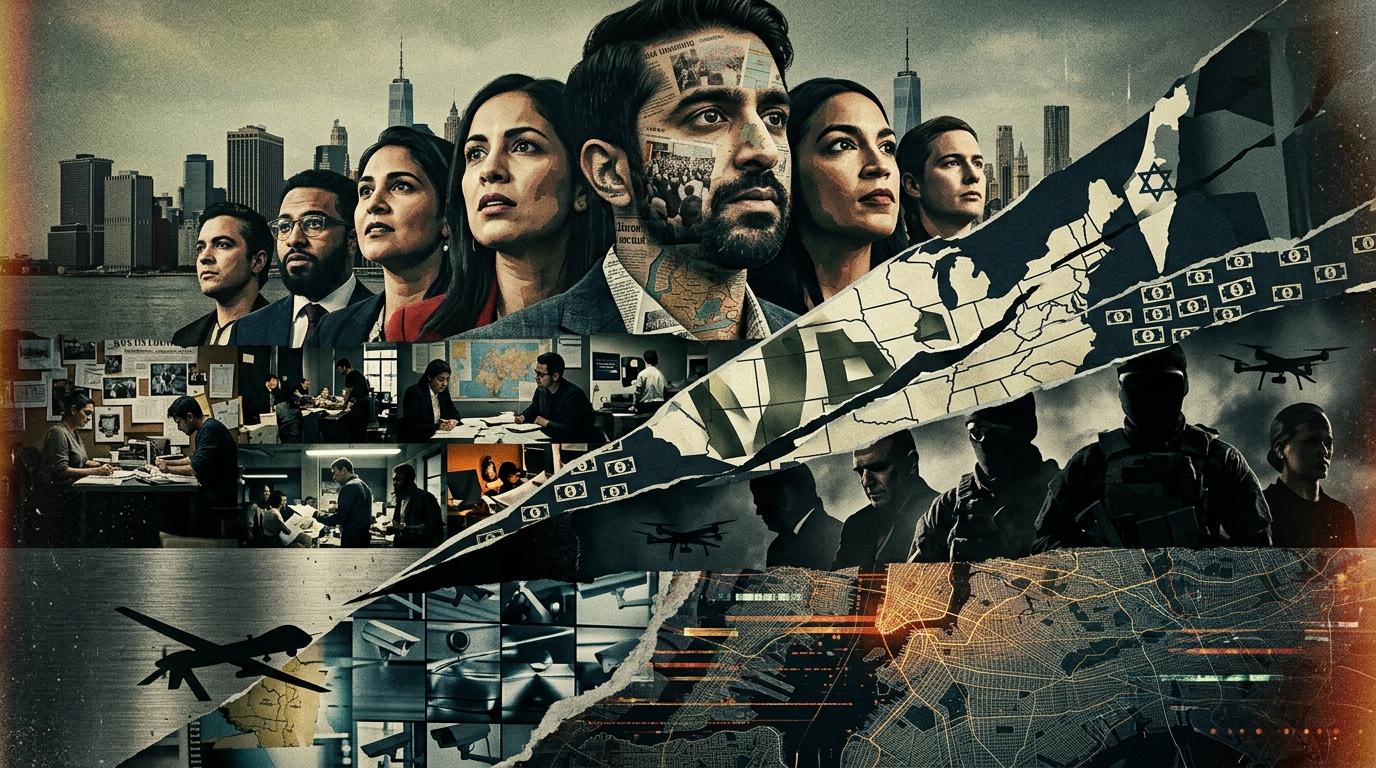
Then there's the money. This case wasn't just about law: it was a cash cow. FEC filings from the second quarter of 2026 show Super PACs on both sides hauled in a massive $184 million. But check the fine print. Audit records from major advocacy groups show that about 22% of that cash, roughly $40.5 million, went right back into "management fees" for firms owned by the PACs' own board members. While donors thought they were saving the country, political consultants were busy getting rich off the drama.
“Citizenship, then and now, was the right to have rights: to freely participate in our political community.”
The Citizenship Clause is the opening sentence of the 14th Amendment. It says that "all persons born or naturalized in the United States, and subject to the jurisdiction thereof, are citizens of the United States and of the State wherein they reside."
The court's conservative wing is still fighting over what those words actually meant back in 1868. Justices Alito, Gorsuch, and Thomas weren't buying the majority's view. In their dissent, they argued the amendment was only ever meant to help formerly enslaved people and their kids, not the children of foreign nationals. They think "subject to the jurisdiction" requires a level of political loyalty that undocumented immigrants don't have. They lost this round, but the fact that they're still making this argument means the "originalist" fight is far from over in the lower courts.
Statutory Interpretation is just a way of saying how courts read and apply laws passed by Congress, rather than deciding if a law breaks the Constitution itself.
So what's the bottom line? For now, nothing changes. Any baby born in a U.S. hospital today is a citizen. But the 2026 midterms are about to get ugly. Justice Kavanaugh basically left a "trapdoor" open for Congress to act, and you can bet political groups are ready to jump through it. Expect to see "Pop-up PACs" flooding your feed with AI-generated ads. They've already got about $143 million in "Gray Money" sitting in shell companies, waiting for this exact moment. The courtroom drama is done, but the real profit-making phase of this fight is just getting started.
Summary
The Supreme Court just shut down President Trump's attempt to end birthright citizenship, but the win for advocates is thinner than it looks. In a 6-3 ruling for Trump v. Barbara (No. 25-365) on June 30, 2026, the Court voided a January 2025 executive order that tried to deny citizenship to kids born to undocumented parents. It's a massive relief for thousands of families. Still, the constitutional side of the vote was a razor-thin 5-4. Justice Kavanaugh only joined the majority on a technicality, meaning the door isn't closed for a future law to undo it all. Plus, filings show a staggering $184 million was raised off this case, with millions funneling straight back to political consultants.
⚡ Key Facts
- On June 30, 2026, the Supreme Court ruled that birthright citizenship is protected by the 14th Amendment.
- The ruling rejected an executive order from President Trump’s second administration targeting the citizenship of children born to undocumented immigrants.
- The ruling was 6-3 against the order, with a 5-4 split on the constitutional meaning of the 14th Amendment.
- Chief Justice John Roberts wrote the majority opinion.
- The ruling references the 1898 Wong Kim Ark case and Earl Warren’s quote regarding the 'right to have rights.'
SCOTUS Reaffirms Birthright Citizenship, Voids Trump Order in 6-3 Ruling
Network of Influence
- Democratic Party and liberal political organizations
- Immigration advocacy groups
- The academic/expert class whose authority is centered in the narrative
- Does not mention 'United States v. Wong Kim Ark' (1898), the foundational precedent for birthright citizenship.
- Lacks specific detail on the legal mechanism of Trump's executive order or the legislative counter-arguments.
- Omit details on how Justice Kavanaugh's distinction between statutory and constitutional violations could lead to future Congressional action.
The story is framed as a moral and political defeat for Donald Trump, centering the 14th Amendment as a vehicle for the egalitarian ideals of the Declaration of Independence.
Verified Receipts
Get the next investigation in your inbox
One email a week. Receipts only. Free.
Free. Unsubscribe anytime. We never share your email.